Smart Micro-Market Solutions for US Office Buildings
Smart micro-markets powered by AI and cashless payment technology are transforming how US office employees access food, beverages, and essentials during the workday. These connected, self-service retail solutions combine traditional vending convenience with personalized inventory management and real-time data insights—delivering higher satisfaction and stronger ROI for facility managers and venue operators.
What Are Smart Micro-Markets?
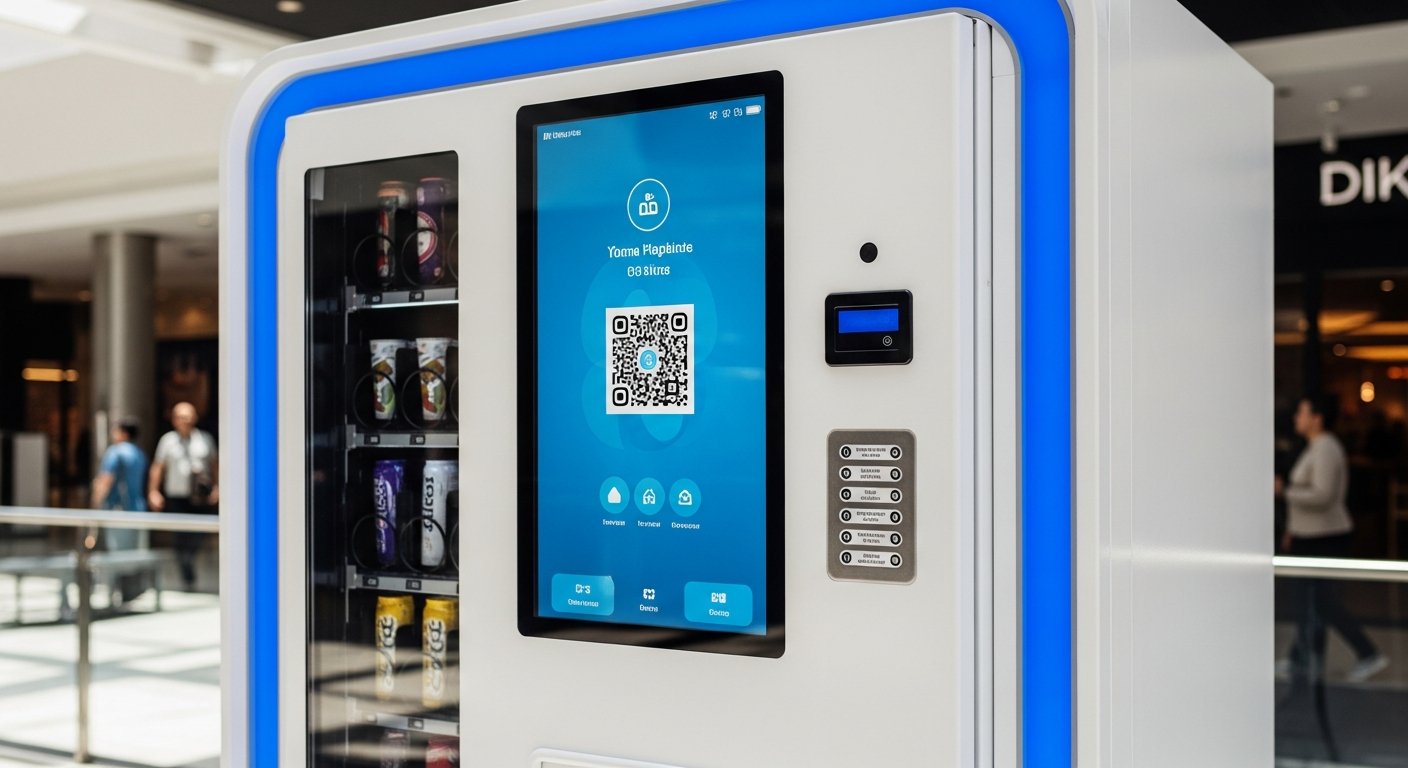
Smart micro-markets are compact, unmanned retail spaces stocked with fresh food, snacks, beverages, and workplace essentials, managed by AI-powered software and IoT sensors. Unlike legacy vending machines, they feature touchscreen interfaces, mobile payment integration, temperature-controlled compartments, and demand-forecasting algorithms that adjust inventory in real time.
These solutions are increasingly popular in corporate offices across major US metros like New York, San Francisco, Austin, and Chicago, where employee experience and operational efficiency matter most.
Why US Office Buildings Are Adopting Smart Micro-Markets
The shift toward smart micro-markets reflects three core workplace trends:
- Post-pandemic flexibility: Remote and hybrid workers expect premium in-office amenities to justify commuting.
- Cashless adoption: 75% of US consumers prefer contactless payment methods, especially in shared workspaces.
- Real-time inventory control: Operators reduce waste and stockouts using predictive analytics and mobile dashboards.
According to the National Automatic Merchandising Association (NAMA), the US vending and micro-market sector generated over $38 billion in annual revenue in 2024, with smart-enabled solutions growing 18% year-over-year. Office micro-markets now represent the fastest-growing channel, outpacing traditional vending in mid-market and enterprise facilities.
Key Features That Drive ROI
Touchscreen & Mobile Ordering Employees scan QR codes or use branded mobile apps to browse products, check nutritional info, and pay via Apple Pay, Google Pay, or corporate cards—eliminating friction and increasing transaction frequency.
AI-Powered Inventory Management Machine learning algorithms predict demand by time of day, day of week, and seasonal trends. Smart restocking alerts notify operators before stockouts occur, reducing lost sales.
Temperature Control & Food Safety Multi-zone refrigeration and IoT sensors maintain FDA-compliant storage for fresh meals, salads, and prepared foods—categories that generate 40% higher margins than snacks.
Real-Time Analytics Dashboard Operators track sales by product, employee engagement, peak usage times, and payment method—enabling data-driven decisions on pricing, mix, and placement.
Hygiene & Contactless Access Touchless payment, UV sanitization cycles, and sealed packaging appeal to health-conscious office workers and facility managers prioritizing workplace safety.
Implementation Best Practices for US Offices
Successful smart micro-market deployments follow these steps:
- Audit your office footprint: Map employee density, break room locations, and existing vending/café usage to identify high-traffic zones.
- Partner with a trusted provider: Work with vendors like KioskX that offer end-to-end software, hardware, and restocking logistics.
- Choose the right product mix: Balance healthy options (salads, protein boxes, sugar-free beverages) with indulgences to maximize attachment rates.
- Set competitive pricing: Monitor local café and competitor pricing; position micro-markets 10–15% below on-campus dining for perceived value.
- Promote via internal channels: Launch with employee surveys, email campaigns, and QR code posters to drive awareness and adoption.
- Monitor and optimize: Review sales dashboards weekly; adjust inventory, pricing, and placement based on performance data.
ROI Metrics: What US Office Operators Report
Facility managers and food service operators running smart micro-markets in US offices typically see:
- Revenue per unit: $1,200–$2,500/month (vs. $400–$800 for legacy vending)
- Transaction frequency: 12–18 transactions/employee/month
- Margin improvement: 35–45% gross margin (fresh food drives higher ASP)
- Payback period: 18–24 months on hardware and software investment
- Employee satisfaction: 78–85% positive feedback on convenience and product variety
Grand View Research estimates the US automated retail market will reach $8.2 billion by 2030, with smart micro-markets capturing 22% of that growth as office operators prioritize employee retention and workplace experience.
Smart Micro-Markets vs. Traditional Vending
| Feature | Smart Micro-Market | Traditional Vending | |---------|-------------------|---------------------| | Payment methods | Mobile, card, app, cash | Coin, card only | | Product variety | 200–500 SKUs | 20–50 SKUs | | Inventory updates | Real-time, predictive | Manual checks | | Fresh food capability | Yes (refrigerated zones) | Limited | | Employee engagement | High (mobile app, personalization) | Low | | Data insights | Advanced analytics | None | | Restocking frequency | Optimized (2–3x/week) | Fixed schedule | | Typical ROI timeline | 18–24 months | 36+ months |
Success Stories: Smart Micro-Markets in US Office Buildings
Fortune 500 Tech Campus (San Francisco, CA) A 500-person office deployed three smart micro-markets across break rooms. Within 6 months, employee café visits dropped 40%, but on-site spending increased 25% due to lower prices and convenience. The operator recovered hardware costs in 20 months and expanded to five units.
Mid-Market Financial Services (New York, NY) A 200-person office added a smart micro-market to reduce lunch-hour foot traffic to nearby delis. Fresh meal sales grew 60% in quarter two; employee satisfaction surveys showed 82% approval. The venue operator upsold corporate wellness partnerships, adding $12K/year in sponsored products.
Healthcare Administrative Office (Austin, TX) A clinic's 150-person admin team adopted a micro-market with allergen filtering and nutritional tracking. Staff engagement increased, and the operator integrated with the corporate wellness app, driving repeat purchases and employee retention benefits.
Choosing the Right Smart Micro-Market Partner
When evaluating providers, prioritize:
- End-to-end support: Hardware, software, logistics, and customer service from one vendor
- Scalability: Platform should support single-unit pilots or multi-location rollouts
- Integration: Compatibility with existing POS, payment gateways, and corporate systems
- Data security: GDPR/CCPA compliance and encrypted transaction handling
- Local expertise: Restocking and support teams in your region (not outsourced internationally)
- Transparent pricing: No hidden fees; clear SLAs on uptime and support response times
KioskX delivers AI-powered micro-market and vending solutions purpose-built for US offices, with real-time inventory management, mobile payment, and predictive analytics. Our platform integrates seamlessly with corporate wellness programs and facility management systems, helping operators maximize revenue and employee satisfaction.
Frequently Asked Questions
How much does a smart micro-market cost to install in a US office? A fully equipped smart micro-market unit (hardware, software, initial inventory) typically costs $8,000–$15,000. Monthly software and support fees range from $200–$500. Operators recoup investment within 18–24 months through margin improvement and increased transaction volume.
What payment methods do smart micro-markets accept? Modern smart micro-markets accept mobile wallets (Apple Pay, Google Pay), credit/debit cards, QR code payments, and corporate cards. Many also accept cash via bill validators. Cashless options now account for 85–90% of transactions in US office environments.
Can smart micro-markets handle fresh food and prepared meals? Yes. Multi-zone temperature control allows operators to stock salads, sandwiches, wraps, protein boxes, and other perishables. IoT sensors monitor temperature compliance and alert operators to maintenance issues, ensuring food safety and regulatory compliance.
What data insights do smart micro-market platforms provide? Platforms deliver real-time dashboards showing sales by product, time of day, payment method, employee engagement, inventory levels, and predictive demand forecasts. Operators use this data to optimize pricing, product mix, and restocking schedules.
Sources
- National Automatic Merchandising Association (NAMA) Research
- NAMA Industry Overview & Statistics
- Grand View Research: Automated Retail Market Analysis
- Statista: US Consumer Payment Preferences & Vending Industry Data
- IBISWorld: Vending Machine Services Industry Report
---
Ready to Deploy Smart Micro-Markets in Your US Office?
KioskX empowers facility managers and food service operators to maximize revenue and employee satisfaction with AI-driven micro-market solutions. Our platform combines real-time inventory management, mobile payments, and predictive analytics—designed specifically for US office buildings.
**Request a KioskX Smart Vending Demo Today or get a custom quote for your office building**. Let us show you how smart micro-markets can transform your workplace retail strategy in 2026.
Sources5
Ready to put one in your space?
Explore Kiosk configurations, plan your first fill and discuss the right setup for your location.