How to Buy a Vending Machine in 2026: AI-Powered Smart Kiosks for US Operators
The best way to buy a vending machine in 2026 is to assess your budget ($1,500–$10,000+ per unit), identify high-traffic locations before purchasing, and choose between traditional snack machines or AI-powered smart kiosks that offer real-time inventory tracking and cashless payment integration. The vending industry is experiencing rapid digital transformation, with smart kiosks and AI-enabled machines driving 15–20% annual growth among forward-thinking US operators.
Key Takeaways
- Investment Range: Expect to spend $1,500–$3,500 for standard vending machines, or $5,000–$10,000+ for AI-powered smart kiosks with remote monitoring.
- Location First, Machine Second: Secure 3–5 location agreements *before* purchasing equipment to guarantee cash flow and reduce risk.
- AI Technology ROI: Smart vending machines with cashless payments, dynamic pricing, and real-time inventory analytics generate 25–40% higher profit margins than traditional machines.
- Operator Flexibility: Choose from snack/beverage, specialty (coffee, frozen treats), or combo units based on your target location's demographics.
- 2026 Trend: Cashless-first, app-enabled, and IoT-connected vending is becoming the industry standard in high-traffic US markets.
---
Understanding the 2026 Vending Machine Market
The US vending machine industry continues to evolve as operators shift toward digital-first business models. According to the National Automatic Merchandising Association (NAMA), the US vending industry generates over $25 billion annually, with smart, connected machines capturing an increasing share of new deployments.
In 2026, three major trends shape buying decisions:
- Cashless & Mobile Payment Integration: Customers expect card, mobile wallet, and QR-code payment options.
- Real-Time Inventory & Remote Monitoring: AI-powered machines alert operators to stock levels, equipment issues, and sales data via cloud dashboards.
- Sustainability & Healthier Options: Machines stocked with organic snacks, plant-based proteins, and reduced-sugar beverages attract premium locations and higher margins.
---
Vending Machine Types & Pricing in 2026
Standard Snack/Beverage Machines Cost: $1,500–$3,500 per unit Best For: Offices, break rooms, gyms, schools Pros: Lower upfront cost, simple operation, proven profitability Cons: Limited data insights, manual restocking, cash handling friction
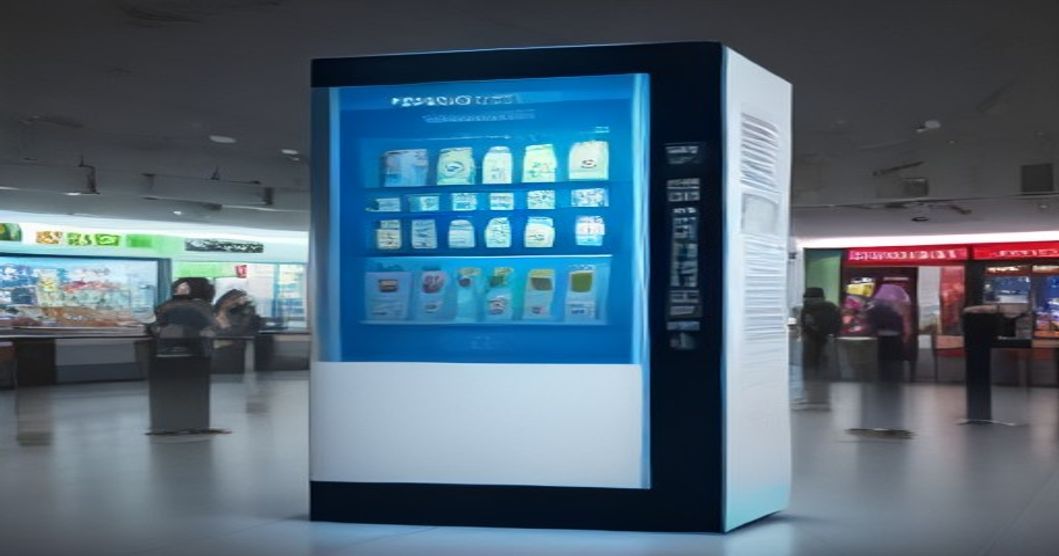
AI-Powered Smart Kiosks Cost: $5,000–$10,000+ per unit Best For: High-traffic retail, hospitality, transit hubs, corporate campuses Pros: Cashless payments, real-time analytics, predictive restocking, mobile app integration, higher profit margins Cons: Higher initial investment, requires WiFi/connectivity, ongoing software costs ($50–$150/month)
Specialty Machines Cost: $3,000–$8,000 per unit Options: Coffee/espresso, frozen treats, meal prep, electronics, personal care Best For: Niche markets with high-value transactions
---
Step-by-Step Guide: How to Buy Your First Vending Machine
1. Define Your Business Model Decide whether you'll operate machines yourself or partner with a location host. Entrepreneur.com recommends securing 3–5 location agreements before purchasing your first machine to validate demand and reduce risk.
2. Choose Your Target Location Type - Corporate offices (high-volume, stable revenue) - Fitness centers & gyms (health-conscious buyers, premium pricing) - Hospitals & medical facilities (regulated, steady foot traffic) - Schools & universities (high volume, seasonal patterns) - Retail stores & shopping centers (impulse purchases, premium margins) - Transportation hubs (airports, train stations, high-traffic)
3. Calculate Your Startup Costs
| Cost Category | Estimate | |---|---| | Single machine (standard) | $1,500–$3,500 | | Single machine (AI smart kiosk) | $5,000–$10,000 | | Initial inventory | $300–$800 | | Location setup/permits | $100–$500 | | Insurance (annual) | $200–$600 | | Software/monitoring (monthly) | $50–$150 | | Total First-Year (1 machine) | $2,500–$5,000+ |
4. Select Your Equipment Provider When buying a vending machine, evaluate:
- Reliability & Support: 24/7 technical support, spare parts availability
- Payment Integration: Accepts cards, mobile wallets, cryptocurrency (emerging in 2026)
- Remote Management: Cloud dashboard, sales analytics, predictive maintenance alerts
- Customization: Branding options, flexible product configurations
- Warranty & ROI Guarantees: 1–3 year warranties, money-back guarantees
KioskX Smart Kiosks offer AI-powered inventory management, cashless payment systems, and real-time sales analytics designed for US operators seeking competitive advantage in 2026.
5. Negotiate Location Agreements - Revenue Share: Typical 20–40% to location host - Placement: High-visibility, high-traffic zones - Exclusivity: Ensure no competitor machines in the space - Term: 1–3 years with renewal options
6. Launch & Monitor Performance
Track key metrics:
- Daily/Weekly Revenue: Target $20–$50/day for standard machines; $40–$100+ for smart kiosks
- Inventory Turnover: Aim for 2–3 restocks per week
- Profit Margin: Standard machines (20–35%), smart machines (25–40%)
- Downtime: Less than 5% monthly availability loss
---
AI-Powered Smart Kiosks: Why 2026 Operators Are Upgrading
AI-enabled vending machines deliver measurable ROI advantages:
- Dynamic Pricing: Adjust prices based on demand, time of day, and location analytics
- Predictive Restocking: Machine alerts you when specific items are running low, reducing stockouts
- Customer Insights: Track which products sell best, peak hours, and demographic preferences
- Reduced Shrinkage: Digital locks and access logs minimize theft
- Contactless Experience: Post-pandemic, cashless-first machines appeal to health-conscious customers
Studies show smart vending machines generate 25–40% higher profit margins compared to traditional machines, primarily through reduced operational costs and premium pricing opportunities.
---
Profitability & ROI Timeline
Break-Even Analysis
Standard Machine ($2,500 investment) - Average daily revenue: $25–$35 - Monthly revenue: $750–$1,050 - Break-even: 3–4 months - Annual net profit: $4,000–$7,000
AI Smart Kiosk ($7,000 investment) - Average daily revenue: $50–$75 - Monthly revenue: $1,500–$2,250 - Break-even: 4–5 months - Annual net profit: $10,000–$18,000
Location quality is the #1 driver of profitability. A premium location (corporate campus, busy retail) can generate 2–3x revenue vs. a secondary location.
---
Red Flags When Buying a Vending Machine
Avoid these common pitfalls:
- Unrealistic Profit Promises: If a seller guarantees $500/month per machine with minimal work, walk away.
- Expensive Restocking Requirements: Legitimate operators cover restocking; you shouldn't pay $50–$100 per visit.
- Poor Equipment Quality: Buy from established manufacturers with strong warranties and support.
- No Location Guarantees: Never purchase a machine without a confirmed, signed location agreement.
- Hidden Fees: Watch for software charges, payment processing fees (>2.5%), or mandatory inventory purchases.
---
Frequently Asked Questions
How much can I make with a vending machine in 2026? Average daily revenue ranges from $25–$35 for standard machines to $50–$75 for AI-powered smart kiosks, depending on location quality. Annual net profit typically falls between $4,000–$18,000 per machine after expenses. Premium locations in high-traffic areas generate 2–3x higher revenue.
What's the best location to buy a vending machine for? Corporate offices, fitness centers, hospitals, and shopping centers generate the most consistent revenue. Secure your location *before* purchasing equipment. High-traffic areas with captive audiences (limited nearby competitors) are ideal for maximizing ROI.
Should I buy a traditional or AI-powered smart kiosk in 2026? If you're scaling or targeting premium locations, invest in AI-powered smart kiosks. They cost $5,000–$10,000 upfront but deliver 25–40% higher profit margins through cashless payments, real-time analytics, and predictive restocking. For a single test machine, a standard unit ($1,500–$3,500) validates your business model with lower risk.
---
Sources
- Vending Machine Industry Market Size & Growth (2024–2030) - Grand View Research
- Starting a Vending Machine Business: Complete Step-by-Step Guide - Entrepreneur
- National Automatic Merchandising Association (NAMA) Industry Data
- Average Vending Machine Profit Margins & ROI Analysis (2025) - Business Insider
---
Ready to Launch Your 2026 Vending Business?
KioskX smart kiosks combine AI-powered inventory management, cashless payment systems, and real-time sales analytics to help US operators maximize profitability. Whether you're buying your first machine or scaling to 10+, our technology delivers competitive advantage in the evolving vending market.
Reserve your AI-powered smart kiosk today with a $499 deposit, or book a live demo to see the technology in action.
Sources4
Ready to put one in your space?
Explore Kiosk configurations, plan your first fill and discuss the right setup for your location.