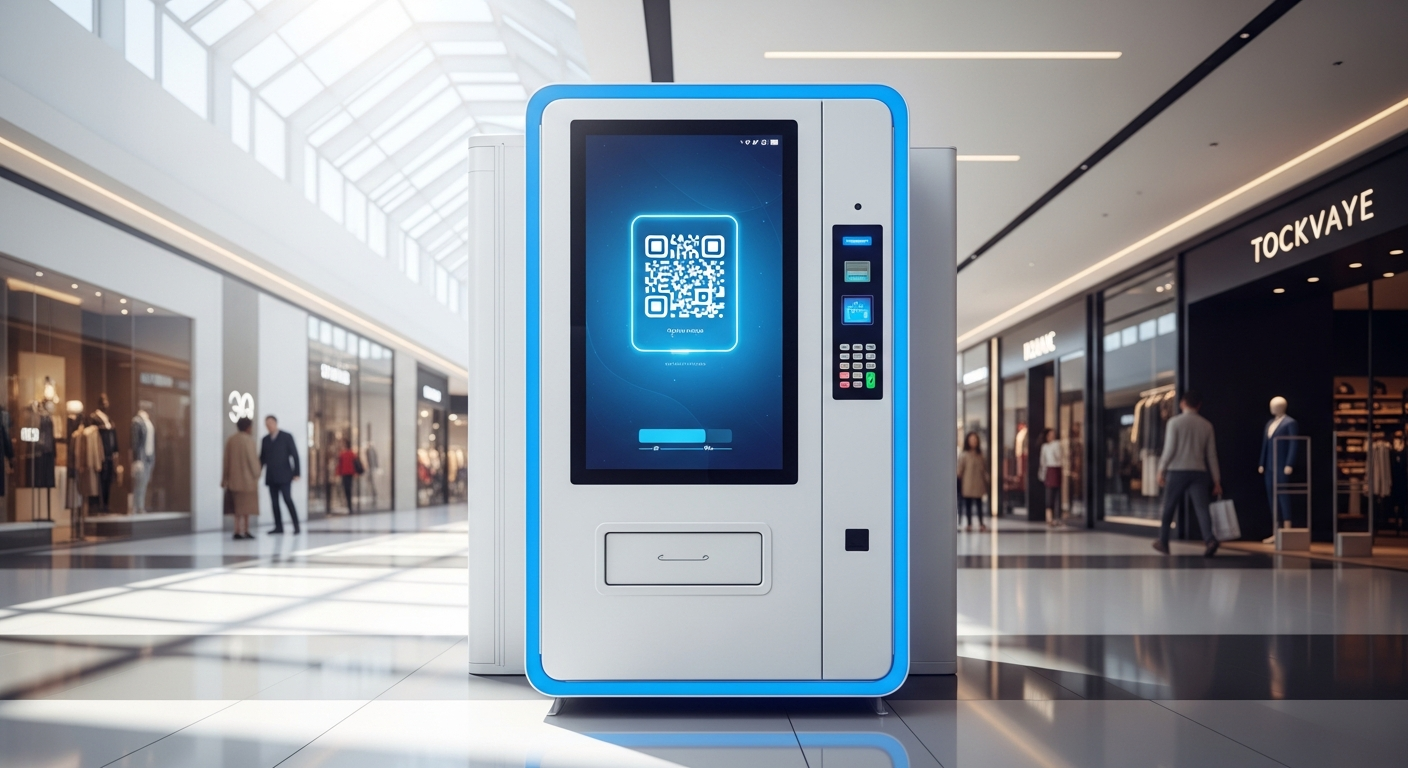
Buying a smart vending machine in the US requires evaluating location quality, technology features, total cost of ownership, and regulatory compliance before committing capital. This checklist guides first-time operators, multi-location fleet managers, and facility decision-makers through the key decision points and trade-offs.
Assess Your Location and Market Opportunity
Location is the single most important factor in vending success. A high-traffic, well-lit spot in an office building, retail corridor, or transit hub can generate 2–3 times the revenue of a poorly positioned machine.
Key location criteria: - Foot traffic volume: Target venues with 500+ daily visitors (offices, gyms, universities, hospitals, airports, retail centers). - Demographic fit: Match product selection to audience age, income, and preferences. - Accessibility: Ensure ADA compliance, clear sightlines, and convenient access for restocking. - Lease or placement terms: Negotiate commission splits (typically 20–35% of revenue to venue) and contract length (1–3 years). - Competitor density: Avoid saturated areas; scout nearby vending, convenience stores, and food services.
Many successful operators start with 1–2 pilot locations to validate demand before scaling to a fleet.
Evaluate Smart Technology and Features
Smart vending machines integrate IoT sensors, remote monitoring, cashless payment, and data analytics to reduce downtime and optimize inventory.
Core technology features to compare: - Real-time inventory tracking: Sensors alert you when stock runs low, reducing missed sales from out-of-stock items. - Cashless payment: Credit card, mobile wallet (Apple Pay, Google Pay), and QR code options expand customer reach and reduce cash handling risk. - Remote diagnostics and alerts: Cloud-based dashboards notify you of machine faults, temperature issues, or jams before customers complain. - Sales analytics and reporting: Understand which products sell, peak times, and revenue trends per location. - Connectivity: Machines should support 4G LTE or Wi-Fi; verify coverage at your target location. - Security: Look for encrypted payment processing compliant with PCI DSS standards set by ISO and payment networks.
Kiosk X machines, for example, offer cloud-connected monitoring, cashless and cash acceptance, and per-machine profitability dashboards accessible from any smartphone or desktop.
Calculate Total Cost of Ownership
Smart vending machine costs vary widely. Understanding all expenses—not just the upfront purchase—is essential for accurate ROI projections.
Typical cost breakdown (USD): - Machine purchase or lease: $3,000–$8,000 for a new smart machine (entry-level to premium); leasing typically ranges $200–$400/month. - Installation and delivery: $200–$500 per location. - Connectivity (4G/Wi-Fi): $20–$50/month per machine if not included. - Software and cloud monitoring: $10–$30/month per machine. - Restocking labor: Budget $15–$30 per visit; plan 1–2 visits per week depending on location traffic. - Maintenance and repairs: Set aside 5–10% of annual revenue for parts and service. - Venue commission: 20–35% of gross revenue (negotiable). - Product cost: Typically 30–40% of retail price for snacks and beverages.
ROI timeline: Many operators see payback in 18–36 months at high-traffic locations, though results vary by market and product mix.
Verify Regulatory and Compliance Requirements
Vending operations in the US are subject to health, tax, and business licensing rules that vary by state and locality.
Compliance checklist: - Business license and permits: Register with your state and local business authority. The SBA provides state-by-state startup guides. - Health and safety: If selling food or beverages, comply with state health department rules (temperature monitoring, allergen labeling, expiration date tracking). - Tax obligations: Collect sales tax on vended items (rates vary by state and product category); file quarterly or annually per state requirements. - ADA accessibility: Machines must meet height, button size, and audio/visual feedback standards under the Americans with Disabilities Act. - Payment processing: Ensure PCI compliance for card and mobile payments; use a reputable payment processor. - Insurance: Obtain general liability and product liability coverage; costs typically $300–$800/year for a small fleet. - Labor laws: If you hire staff for restocking, comply with minimum wage, workers' compensation, and employment tax rules.
Consult a local accountant or business attorney to confirm requirements for your state and venue type.
Compare Vendor Options and Support
Smart vending machine providers differ in hardware quality, software capabilities, customer support, and business model.
Evaluation framework: - Hardware reliability: Check warranty terms (typically 1–2 years) and mean time between failures (MTBF) ratings. - Software usability: Test the mobile app and web dashboard; ensure they're intuitive and provide the metrics you need. - Support availability: Verify response times for technical issues (24/7 support is a plus) and availability of replacement parts. - Scalability: Can the platform handle 1 machine or 100+ locations? Does it support multi-location reporting and payment consolidation? - Customization: Some vendors allow branded wraps, custom product selections, or white-label options for larger operators. - Pricing transparency: Avoid hidden fees; confirm all-in monthly costs upfront. - Community and training: Look for operator forums, video tutorials, and onboarding support.
Kiosk X, for instance, offers cloud-connected machines with real-time inventory and sales dashboards, 24/7 technical support, and a network of experienced operators. New buyers can reserve a unit with a fully-refundable deposit or book a free demo to understand how the system works at your target location.
Create a Pilot and Scale Strategy
Successful vending operators rarely buy a large fleet at once. A phased approach reduces risk and builds operational expertise.
Recommended rollout: 1. Pilot phase (1–2 machines): Test location quality, product mix, and operational workflows over 3–6 months. 2. Analyze results: Track revenue, restocking labor, maintenance costs, and customer feedback. 3. Refine operations: Adjust product selection, pricing, and restocking frequency based on data. 4. Scale gradually: Add 3–5 machines to proven locations or similar high-traffic venues. 5. Automate management: Invest in fleet management software and consider hiring a part-time route manager once you exceed 10–15 machines.
This approach lets you validate the business model, build supplier relationships, and develop systems before committing significant capital.
Frequently Asked Questions
How much revenue can a smart vending machine generate per month?
Revenue depends heavily on location, product mix, and traffic. Per the National Automatic Merchandising Association (NAMA), average monthly revenue for a well-placed vending machine ranges from $300–$1,200, with high-traffic locations (airports, hospitals, offices) often exceeding $1,500/month. After venue commission, restocking labor, and product cost, net profit typically ranges $100–$500/month per machine.
Do I need a business license to operate a vending machine?
Yes. You must register your vending business with your state and local authorities and obtain any required permits or licenses. Requirements vary by state and venue type; some states require a separate vending license, while others treat it as a general business. The FTC's consumer guide to buying a business and your state's Secretary of State office can clarify local rules.
What's the difference between buying and leasing a vending machine?
Buying offers long-term ownership and flexibility but requires upfront capital ($3,000–$8,000) and ongoing maintenance responsibility. Leasing ($200–$400/month) lowers initial cost and often includes support, but you have no equity and may face early termination penalties. Choose based on your capital availability, expected machine lifespan at a location, and preference for support.
Sources
- U.S. Bureau of Labor Statistics – Career Outlook: Vending Machine Servicers and Repairers
- National Automatic Merchandising Association (NAMA) – Industry Data and Resources
- Federal Trade Commission (FTC) – Consumer Guides: Buying a Business
- Small Business Administration (SBA) – Starting a Business
- International Organization for Standardization (ISO) – Payment Systems Security Standards
---
Ready to launch your vending business? Kiosk X smart vending machines combine cloud monitoring, cashless payment, and real-time inventory tracking to maximize uptime and revenue. Reserve a Kiosk X unit today with a fully-refundable deposit, or book a free demo to see how our system works at your target location. Start small, scale smart.
Sources5
- U.S. Bureau of Labor Statistics – Career Outlook: Vending Machine Servicers and Repairers
- National Automatic Merchandising Association (NAMA) – Industry Data and Resources
- Federal Trade Commission (FTC) – Consumer Guides: Buying a Business
- Small Business Administration (SBA) – Starting a Business
- International Organization for Standardization (ISO) – Payment Systems Security Standards
Ready to put one in your space?
Explore Kiosk configurations, plan your first fill and discuss the right setup for your location.