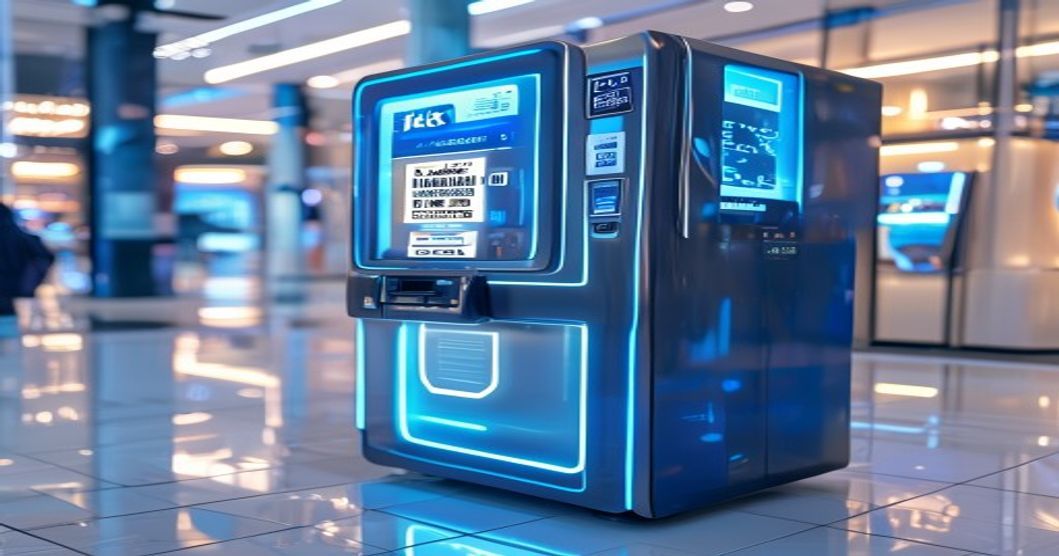
AI Vending Machine Business in 2026: The Complete Profitability Guide for US Operators
AI-powered vending machines are generating $500–$2,000 or more per unit monthly in 2026, making them one of the fastest-growing passive income opportunities for US retail and hospitality operators. Smart vending technology—powered by real-time inventory tracking, dynamic pricing, and cashless payment systems—has fundamentally transformed the vending machine business from a low-margin commodity into a data-driven, scalable enterprise.
Key Takeaways
- Monthly Revenue Potential: AI vending machines average $500–$2,000 per unit monthly, with high-traffic locations exceeding $3,000+
- Technology Advantage: AI-powered machines reduce shrinkage, optimize product mix, and enable dynamic pricing—increasing profitability by 30–50% vs. traditional vending
- Market Growth: The US vending machine market is projected to grow 7.2% annually through 2030, driven by automation and cashless payments
- Low Barrier to Entry: Starting a vending machine business requires $3,000–$10,000 initial investment with KioskX smart kiosks offering $499 deposit options
- Scalability Path: Operators managing 5–10 smart machines can reach six-figure annual revenue within 18–24 months
What Makes AI Vending Machines Profitable in 2026?
Traditional vending machines operate on fixed inventory and manual restocking. AI vending machines, by contrast, use computer vision, IoT sensors, and cloud analytics to optimize every aspect of the business.
Key profitability drivers:
- Real-Time Inventory Management: Sensors alert you when stock runs low, reducing out-of-stocks and missed sales
- Dynamic Pricing: AI adjusts prices based on demand, time of day, and location—increasing margins by 15–25%
- Cashless Payments: Contactless payment integration (Apple Pay, Google Pay, cards) increases transaction volume by 40–60% vs. cash-only machines
- Predictive Analytics: Machine learning predicts which products sell best at specific locations, eliminating slow-moving inventory
- Remote Monitoring: Cloud dashboards let you manage multiple machines from your phone, reducing operational overhead
According to the National Automatic Merchandising Association (NAMA) 2025 Industry Report, operators using smart vending technology report 35–50% higher profitability compared to traditional machines.
The 2026 Vending Machine Business Revenue Model
Understanding the financial structure is critical to scaling profitably.
Typical Monthly Revenue per Machine (High-Traffic Location):
| Revenue Stream | Amount | Notes | |---|---|---| | Product Sales | $800–$1,500 | Depends on location traffic and pricing | | Cashless Transaction Fees | $50–$150 | Payment processor margins (1–3%) | | Data Monetization | $50–$200 | Anonymous analytics sold to brands | | Total Monthly Revenue | $900–$1,850+ | High-performing locations: $2,500–$3,500 |
Monthly Operating Costs per Machine:
- Product Cost of Goods Sold (COGS): 35–40% of sales
- Location Rent/Commission: 10–20% of sales (varies by venue)
- Machine Lease or Depreciation: $100–$300/month
- Restocking Labor: $150–$300/month (if outsourced)
- Payment Processing Fees: 2–3% of transaction value
- Maintenance & Repairs: $50–$100/month (reserve fund)
Net Monthly Profit per Machine: $300–$800+ (33–45% margin)
For operators running 5–10 machines in prime locations, annual revenue reaches $54,000–$108,000 per machine, or $270,000–$1,080,000 for a 10-machine fleet.
Best Locations for AI Vending Machines in 2026
Location is the single largest determinant of vending machine profitability. High-traffic, captive-audience venues generate 2–3x revenue vs. low-traffic areas.
Top-Performing Locations (US Market):
1. Office Buildings & Corporate Campuses (New York, San Francisco, Austin, Charlotte) - Traffic: 500–2,000 daily users - Average Monthly Revenue: $1,200–$2,000 - Best Products: Healthy snacks, beverages, meal replacements
2. Hospitals & Medical Facilities (National) - Traffic: 1,000–5,000 daily visitors - Average Monthly Revenue: $1,500–$2,500 - Best Products: Healthy snacks, beverages, first-aid supplies
3. Universities & Student Housing (College towns nationwide) - Traffic: 2,000–10,000+ daily users - Average Monthly Revenue: $1,800–$3,000+ - Best Products: Energy drinks, snacks, meal items
4. Airports & Transportation Hubs (Major US airports) - Traffic: 5,000–50,000+ daily users - Average Monthly Revenue: $2,500–$5,000+ - Best Products: Travel snacks, beverages, convenience items
5. Fitness Centers & Gyms (Suburban/urban markets) - Traffic: 300–1,500 daily members - Average Monthly Revenue: $800–$1,500 - Best Products: Protein snacks, electrolyte drinks, supplements
6. Retail & Quick-Service Restaurants (QSR) (National chains) - Traffic: 500–3,000 daily customers - Average Monthly Revenue: $600–$1,200 - Best Products: Complementary snacks, beverages
According to Grand View Research's Vending Machine Market Analysis, high-traffic locations in metropolitan areas (population >1M) generate 3–4x revenue vs. rural or low-traffic sites.
How to Start an AI Vending Machine Business: Step-by-Step
Step 1: Research & Validate Your Market - Identify 3–5 high-traffic locations in your target city - Survey foot traffic patterns (peak hours, daily volume) - Analyze competitor machines and pricing - Estimate demand for specific product categories
Step 2: Choose Your Vending Machine Technology - Smart vs. Traditional: Smart machines (AI-enabled) cost $5,000–$8,000 per unit but generate 40–60% higher revenue - KioskX Smart Vending: Offers AI-powered machines with cashless payments, real-time inventory, and cloud analytics. Reserve a kiosk with a $499 deposit to test the model risk-free - Hybrid Approach: Start with 1–2 smart machines in proven locations, then scale
Step 3: Secure Location Agreements - Negotiate placement agreements (typically 10–25% revenue commission) - Ensure location has foot traffic data (ask for visitor counts) - Clarify restocking access, hours, and liability - Get written agreement specifying machine placement, payment terms, and termination clauses
Step 4: Source Products & Inventory - Partner with wholesale distributors (Sysco, US Foods, local suppliers) - Negotiate bulk pricing (typically 30–40% below retail) - Stock high-margin items: healthy snacks, premium beverages, specialty items - Use AI analytics to optimize product mix based on location data
Step 5: Launch, Monitor & Optimize - Deploy machine and track sales daily via cloud dashboard - Adjust pricing and product mix weekly based on performance data - Restock every 3–7 days depending on traffic - Monitor payment processing, cash handling, and maintenance
Step 6: Scale Your Fleet - After 90 days, analyze profitability per machine - Replicate successful locations and product strategies - Add 2–3 new machines per quarter - Delegate restocking to part-time employees or third-party logistics partners
The Small Business Administration (SBA) Retail Startup Guide recommends starting with 2–3 machines in validated locations before scaling to a full fleet.
AI Vending Machine Business Challenges & How to Overcome Them
Challenge 1: Location Saturation - *Solution*: Negotiate exclusive placement agreements. Use AI to identify underserved micromarkets (neighborhoods, office parks).
Challenge 2: Product Shrinkage & Theft - *Solution*: AI-powered cameras and motion sensors reduce theft by 60–70%. Smart machines log every transaction and inventory change.
Challenge 3: Payment Processing Complexity - *Solution*: Partner with payment processors that integrate with your vending machine (Square, Stripe, PayPal).
Challenge 4: Restocking Labor Costs - *Solution*: Hire part-time workers ($15–$18/hour in most US markets) or outsource to regional restocking services.
Challenge 5: Machine Downtime & Maintenance - *Solution*: Choose machines with remote diagnostics and 24/7 support. Budget 5–10% of revenue for maintenance reserves.
The Future of Vending Machine Business: 2026 & Beyond
The vending machine industry is undergoing rapid transformation, driven by:
- AI & Machine Learning: Predictive inventory, dynamic pricing, and demand forecasting
- Contactless Payments: 85% of US transactions are now cashless (trend accelerating)
- Sustainability: Eco-friendly packaging and energy-efficient machines (growing demand)
- Data Monetization: Anonymous consumer behavior data sold to CPG brands and retailers
- Automation Integration: Integration with smart building systems, IoT networks, and supply chain platforms
The Bureau of Labor Statistics Retail Trade Report projects continued growth in automated retail through 2030, with smart vending machines capturing 25–30% market share by 2027.
Frequently Asked Questions
Q: How much does an AI vending machine cost? A: AI-powered smart vending machines range from $5,000–$8,000 per unit. KioskX offers a $499 deposit option to reserve a machine and test profitability in your target location before full commitment.
Q: What's the average ROI for a vending machine business? A: With monthly profit of $300–$800 per machine, ROI typically ranges from 12–24 months. High-traffic locations can achieve ROI in 8–12 months. This assumes proper location selection and product optimization.
Q: Do I need a license to operate a vending machine in the US? A: Licensing requirements vary by state and city. Most jurisdictions require a business license, sales tax permit, and food handling certification if vending food. Check with your local Department of Revenue and health department for specific requirements.
Sources
- Grand View Research: Vending Machine Market Analysis
- National Automatic Merchandising Association (NAMA) 2025 Industry Report
- Small Business Administration: Retail & Food Service Startups
- Bureau of Labor Statistics: Retail Trade Employment Trends
---
Ready to Start Your AI Vending Machine Business?
The vending machine business is more profitable than ever in 2026—but only with smart technology. KioskX AI-powered vending machines handle inventory, pricing, and payments automatically, letting you focus on scaling.
**Reserve a KioskX smart vending machine with just a $499 deposit and test profitability in your target location. Or book a live demo** to see how AI transforms vending into a predictable, scalable revenue stream.
Start your six-figure vending machine business today.
Sources4
Ready to put one in your space?
Explore Kiosk configurations, plan your first fill and discuss the right setup for your location.